• Our Services

    We offer best-in-class research and consulting services pertaining to the markets of all geographies. Our experienced team of business analysts and consultants has mastered fundamental and advanced market research in diverse industries.

  • Syndicated Research

    Syndicated research is the most cost-effective market research approach, which gives an analytical outlook of the competitive positioning, product positioning, and size estimation of the market at the micro level. Our off-the-shelf reports offer key market insights that industry stakeholders require to base their business strategy on. Our syndicated research services empower our clients to meet diverse market objectives.

  • Customized Research

    we also deliver customized research services to address specific needs of our clients. With a vast pool of adroit analysts who are proficient in market research, we take pride in tailoring our research services to meet our clients’ definite requirements and aid their business growth.

  • Consulting Services

    Businesses, today, need to adapt themselves to the changes that transpire in the market. Staying abreast of the market trends, therefore, becomes imperative for accomplishing business objectives.

  • Our Vision

    To be the most trusted partner in our clients' success endeavors

Showing posts with label Clinical Trials & Results. Show all posts

Wnt Signaling Pathway Inhibitors - Pipeline Analysis, Clinical Trials & Results

Wnt signaling pathway plays an important role in embryonic development. The signaling pathway regulates cell-to-cell interaction, accelerates trophoblast development, activates blastocyst, accelerate chorion-allantois fusion and implantation. A wide range of diseases, such as different types of cancer and degenerative diseases can be treated by deregulation of components involved in Wnt/β-catenin signaling pathway. Also, researchers have demonstrated that moderate weakening of Wnt signaling can eliminate its carcinogenic potential. Based on the recent researches, Wnt Signaling Pathway inhibitors have also shown potential in cardiovascular disorders.


According to the research findings, majority of the drug candidates in the pipeline are being developed to be administered by the oral route. It has been observed that oral route of medications is convenient; available in delayed or rapid release formulation; provides improved patient’s compliance; and has less risk of systemic infections. Administration of Wnt Signaling Pathway Inhibitors through oral route has shown promising results in the clinical studies. Also, according to the analysis, maximum number of drugs in the pipeline are being developed as small molecules.

The companies developing Wnt Signaling Pathway inhibitors for the treatment of cancer and degenerative diseases, have shown positive clinical results in the various phases of drug development. For instance, in October 2018, Samumed LLC, announced the topline data from the phase IIb trial SM04690 in knee osteoarthritis, wherein the treatment with SM04690 showed improvement in function, pain, and global scores of patients.

It has been observed that many pharmaceutical companies are leveraging new and improved technologies for the development of Wnt Signaling Pathway inhibitors. These technologies play an important role in the drug development thereby helping the companies develop more specific and effective targeted therapies. For instance, the focus of Samumed's technology platform is on the ability to modulate the Wnt signaling pathway in selected tissues with small molecules. 

The company has discovered various new biological processes related to the Wnt signaling pathway, identified novel biological targets, and developed small-molecule drugs that modulate Wnt activity. In addition, JW Pharmaceutical CORPORATION is engaged in the development of novel therapeutics using high-throughput screening technology and chemical library. The company specializes in identifying small molecule drugs that modulate signaling pathways involved in cell proliferation and differentiation.


Share:

Essential Tremor Therapeutics - Pipeline Analysis, Clinical Trials & Results, Patents, Designations


Essential tremor, a nerve disorder, is characterized by involuntary tremors or shaking in different parts of the body. The most common affected areas are head, arms, hands, larynx, chin and tongue.
This disease creates difficulties in daily activities such as eating, writing and dressing. Essential tremor is caused by genetic defects which results in abnormal brain activity. The disease is also linked with other movement disorders including Parkinson’s disease, migraine and headache. Essential tremor can be treated by medications, and deep brain stimulation devices.

Request to Get Free Sample Pages at:  https://www.pharmaproff.com/request-sample/1099


Neurocrine Biosciences Inc. is in the process of developing NBI-640756, an oral small molecule, for the treatment of essential tremor. Cavion Inc. is other key player involved in the development of drugs for the management of this medical condition.

Make Enquiry Before Buying the Report: https://www.pharmaproff.com/enquiry/1099

The report provides a comprehensive understanding of the pipeline activities covering all drug candidates under various stages of development, with the detailed analysis of pipeline and clinical trials.
Pipeline analysis of drugs by phases includes product description and development activities including information about clinical results, designations, collaborations, licensing, grants, technology, and others.

Share:

Dravet Syndrome Therapeutics - Pipeline Analysis, Clinical Trials & Results, Patents, Designations


Dravet syndrome is a form of severe myoclonic epilepsy that occurs in infants during their first year of age. If left untreated, it can be associated with other types of seizures, and status epilepticus.
Children having Dravet syndrome are generally observed with poor cognitive skills and hyperactivity. It severely affects the person’s quality of life and around 10-20% of the patient are estimated to die due to the condition. Absence seizures, tonic-clonic seizures, atonic seizures, and myoclonic seizures are some other types of seizure associated with Dravet syndrome.


Request to Get Free Sample Pages at: 


Zogenix Inc. is in the process of developing ZX008 as a serotonin receptor agonist for the treatment of Dravet syndrome. Ovid Therapeutics Inc. is also in the process of developing OV 935, a CH24H inhibitor, for the management of this medical condition. Insys Therapeutics Inc., and SAGE Therapeutics Inc. are some other major players having pipeline drugs for Dravet syndrome.

Make Enquiry Before Buying the Report:

The report provides a comprehensive understanding of the pipeline activities covering all drug candidates under various stages of development, with the detailed analysis of pipeline and clinical trials.
Pipeline analysis of drugs by phases includes product description and development activities including information about clinical results, designations, collaborations, licensing, grants, technology, and others.

Share:

Dementia Therapeutics - Pipeline Analysis, Clinical Trials & Results


Dementia is a group of neurological disorders which is characterized by impaired intellectual functioning. People having dementia generally lose the ability to maintain emotional control and solve the problems.
Dementia can lead to the number of cognitive and psychological changes in the body such as memory loss, difficulty in communication, confusion and disorientation, depression, anxiety, personality changes, and hallucination. In this condition, the progressive loss of neurons leads to impaired mental functioning. People with dementia are in the need of prominent supervision to prevent them from harming others or themselves.

Request to Get Free Sample Pages at:  

                                                       https://www.pharmaproff.com/request-sample/1097


Charsire Biotechnology Corp. is in the process of developing CSTC 1 (BAC) for the treatment of dementia. Stemedica Cell Technologies Inc. is also in the process of developing human mesenchymal stem cells for the treatment of dementia. Asceneuron SA, and Avanir Pharmaceuticals Inc. are some other major companies involved in development of drugs for the management of dementia.

Make Enquiry Before Buying the Report:
                                               https://www.pharmaproff.com/request-customization/1097

The report provides a comprehensive understanding of the pipeline activities covering all drug candidates under various stages of development, with the detailed analysis of pipeline and clinical trials.

Pipeline analysis of drugs by phases includes product description and development activities including information about clinical results, designations, collaborations, licensing, grants, technology, and others.

Share:

Complex Regional Pain Syndrome (CRPS) Therapeutics - Pipeline Analysis


Complex regional pain syndrome (CRPS) is a type of chronic pain that affects one limb of the body (hand, leg, arm, or foot). The condition generally arises due to severe injuries or malfunctioning of central and peripheral nervous systems.
Request to Get Free Sample Pages at:  
                                                        https://www.pharmaproff.com/enquiry/1096

CRPS is categorized into two main types: CRPS-I and CRPS-II. CRPS-I is associated with unconfirmed nerve injury; whereas, CRPS-II is associated with confirmed nerve injury. CRPS can be characterized by ‘pins and needles’, or ‘burning sensation’; or it feels like someone squeezing the affected limb. People having CRPS generally experience change in skin color and temperature, and swelling in the affected area.

Access Detailed Report Summary:

Axsome Therapeutics Inc., and Grünenthal Group are two major companies involved in the development of drugs for the management of CRPS. The Grünenthal Group is in the process of developing T121, a bone resorption inhibitor, for the treatment of CRPS. Axsome Therapeutics Inc. is also developing AXS-02 as a bone resorption factor inhibitor for the treatment of CRPS.

Make Enquiry Before Buying the Report:
                                                         https://www.pharmaproff.com/enquiry/1096
The report provides a comprehensive understanding of the pipeline activities covering all drug candidates under various stages of development, with the detailed analysis of pipeline and clinical trials.
Pipeline analysis of drugs by phases includes product description and development activities including information about clinical results, designations, collaborations, licensing, grants, technology, and others.

Share:

Cognitive Impairment Therapeutics Pipeline Analysis | Stages, Drug Class, Company Profile


Cognitive impairment is a medical condition in which people lose their cognitive capabilities such as thinking skills and memory. People having cognitive impairment are at high risk of developing dementia or Alzheimer’s disease. 
Cognitive impairment that affects memory is known as amnestic mild cognitive impairment (MCI); and the condition which affects thinking skills called nonamnestic MCI. Medical professionals diagnose cognitive impairment by asking some questions which are related to medical history, daily activities, for the assessment of the mental status of the patients. Certain blood tests and brain structure’s imaging are also used to diagnose cognitive impairment.

Request to Get Free Sample Pages at:  
                                             https://www.pharmaproff.com/request-sample/1095

AgeneBio Inc., Heptares Therapeutics Ltd., Omeros Corporation, and Asceneuron SA are some major companies involved in development of drugs for the management of cognitive impairment. For instance, AgeneBio Inc. is in the process of developing AGB101, a SV2A protein modulator, for the management of cognitive impairment.

Access Detailed Report Summary:

The report provides a comprehensive understanding of the pipeline activities covering all drug candidates under various stages of development, with the detailed analysis of pipeline and clinical trials.

Make Enquiry Before Buying the Report:
                                                                     https://www.pharmaproff.com/enquiry/1095
Pipeline analysis of drugs by phases includes product description and development activities including information about clinical results, designations, collaborations, licensing, grants, technology, and others.

Share:

Cerebral Palsy Therapeutics - Pipeline Analysis | Clinical Trials & Results


In cerebral palsy, the term cerebral refers to brain and palsy refers to the loss or impairment of motor function. Cerebral palsy is a group of neurological disorders that appear in infancy or early childhood, and permanently affect body movement and muscle coordination.


Request to Get Free Sample Pages at:  
                                                    https://www.pharmaproff.com/request-sample/1093

It is caused by damage or abnormalities inside the developing brain that disrupt its ability to control movement and maintain posture and balance. Cerebral palsy affects the motor area of the brain’s outer layer (called the cerebral cortex), that directs muscle movement.

Access Detailed Report Summary:

In some cases, the cerebral motor cortex is not developed normally during fetal growth. In other case the damage is a result of injury to the brain either before, during, or after birth. In either case, the damage is not repairable and the disabilities that result are permanent. Children with cerebral palsy exhibit a wide variety of symptoms like lack of muscle coordination when performing voluntary movements (ataxia), stiff or tight muscles and exaggerated reflexes (spasticity), weakness in one or more arm or leg, walking on the toes, and a crouched gait. Some drug candidates of cerebral palsy pipeline include, but are not limited to, Incobotulinumtoxin A and botulinum toxin type A.

Make Enquiry Before Buying the Report:
                                                  https://www.pharmaproff.com/enquiry/1093

The report provides a comprehensive understanding of the pipeline activities covering all drug candidates under various stages of development, with the detailed analysis of pipeline and clinical trials.
Pipeline analysis of drugs by phases includes product description and development activities including information about clinical results, designations, collaborations, licensing, grants, technology, and others.

Share:

Tic Disorder Therapeutics - Pipeline Analysis 2020, Clinical Trials & Results, Patents, Designations, Collaborations


Tic disorder is a type of mental disorder, characterized by sudden and nonrhythmic movements. According to the World Health Organisation (WHO), this disease can be categorized into five types; transient, combined vocal and multiple motor, unspecified, and chronic motor tic disorder.
Some of the symptoms of the disease are facial grimacing, excessive blinking, uncontrollable movements of the legs, and sound such as throat clearing. Majorly found in children, this disease can be treated by a combination therapy of drugs, that reduce the dopamine concentration in the brain.

Request to Get Free Sample Pages at:  
                                                     https://www.pharmaproff.com/request-sample/1089

However, cognitive behavioural therapy is also being used for the treatment of this disease. Abide Therapeutics Inc. is in the process of developing ABX-1431 for the treatment of tic disorder. Neurocrine Biosciences is in the process of developing valbenazine as a vesicular monoamine transporter 2 inhibitor for the treatment of this disorder.

Make Enquiry Before Buying the Report:
                                      https://www.pharmaproff.com/request-sample/1089

The report provides a comprehensive understanding of the pipeline activities covering all drug candidates under various stages of development, with the detailed analysis of pipeline and clinical trials.
Pipeline analysis of drugs by phases includes product description and development activities including information about clinical results, designations, collaborations, licensing, grants, technology, and others.

Share:

Spasticity Therapeutics - Pipeline Analysis , Clinical Trials & Results, Patents, Designations, Collaborations


Spasticity is a condition in which certain muscles are continuously contracted. The constant muscle contraction causes stiffness or tightness of the muscles and can interfere with normal movement, speech and gait in a patient.

Access Detailed Report Summary:
Spasticity is usually caused by damage to the portion of the brain or spinal cord that controls voluntary movement. This damage causes a change in the balance of signals between the nervous system and muscles, leading to increased activity in muscles.

Request to Get Free Sample Pages at:  
                                              https://www.pharmaproff.com/request-sample/1088

Spasticity negatively affects muscles and joints of the extremities and is particularly harmful to growing children. Currently available treatment options for this disease include oral medications and interventional procedures. Certain conditions that may cause spasticity are traumatic brain injury, spinal cord injury, brain damage due to a lack of oxygen, stroke, encephalitis, and meningitis.

Make Enquiry Before Buying the Report:
                                                                https://www.pharmaproff.com/enquiry/1088

The drug candidates of for treating this condition include, but are not limited to, Arbaclofen extended release and Botulinum toxin E. Some of the companies having drugs in spasticity pipeline are Osmotica Pharmaceutical, Ipsen Pharma, and Canbex Therapeutics Ltd.

The report provides a comprehensive understanding of the pipeline activities covering all drug candidates under various stages of development, with the detailed analysis of pipeline and clinical trials.

Pipeline analysis of drugs by phases includes product description and development activities including information about clinical results, designations, collaborations, licensing, grants, technology, and others.

Share:

Tagraxofusp - API Insight by Pipeline Analysis, Clinical Trials & Results, Patents, Designations, Collaborations, and Other Developments


Tagraxofusp, sold under the brand name of Elzonris, is an Interleukin 3 (IL-3) conjugated truncated diphtheria toxin. It is composed of catalytic and translocation domains of diphtheria toxin fused via Met-His linker to a full-length human IL-3. Tagraxofusp was developed by Stemline Therapeutics Inc. and was approved in December 2018, as the first therapy for blastic plasmacytoid dendritic cell neoplasm. This drug achieved approval after being designed with the title of breakthrough therapy, priority review, and orphan drug status.
Tagraxofusp is indicated for the treatment of blastic plasmacytoid dendritic cell neoplasm (BPDCN) in adults and pediatric patients over 2 years old. This treatment allows an alternative for the previous intense treatment which consisted of intensive chemotherapy followed by bone marrow transplantation. Some of the side-effects include fatigue, peripheral edema and weight increase.
Request to Get Free Sample Pages at:        
                             

This report provides details of the drug and the API manufacturers across the 7 major markets which includes U.S, EU5, and Japan. It includes the overview, mechanism, regulatory milestones, strategic developments, the historical and forecasted sales. 

Access Detailed Report Summary:
                                                   https://www.pharmaproff.com/report/tagraxofusp

The pipeline analysis of the drug by phase which would include the product description and development activities including information about clinical results, designations, collaborations, licensing, grants, technology and others.

Share:

Musculoskeletal Pain Therapeutics - Pipeline Analysis , Clinical Trials & Results, Patents, Designations

Musculoskeletal pain is a known consequence of repetitive strain, overuse, and work-related musculoskeletal disorders. These injuries include a variety of disorders that cause pain in muscles, bones, joints, or surrounding structures. This pain can be acute or chronic, diffuse or focal. Low back pain is the most common example of chronic musculoskeletal pain. Other musculoskeletal pain includes tendonitis and tendinosis, myalgia, neuropathies, and stress fractures.


Request to Get Free Sample Pages at:  


                                                           https://www.pharmaproff.com/request-sample/1086

The pathophysiology of musculoskeletal pain is not completely clear, but inflammation, fibrosis, tissue degradation, neurotransmitters, and neurosensory disturbances have been implicated. Some clinical symptoms of musculoskeletal pain include local symptoms of pain or widespread and persistent pain, tenderness, peripheral nerve irritation, weakness, and limited motion and stiffness.

Access Detailed Report Summary:


The drug candidates in musculoskeletal pain pipeline include, but are not limited to, NEO 6860, Gefapixant, and Cebranopadol. Neomed, Merck & Co. and Grunenthal Group are some companies involved in musculoskeletal pain pipeline.

The report provides a comprehensive understanding of the pipeline activities covering all drug candidates under various stages of development, with the detailed analysis of pipeline and clinical trials.

Pipeline analysis of drugs by phases includes product description and development activities including information about clinical results, designations, collaborations, licensing, grants, technology, and others.

Share:

Intermittent Claudication Therapeutics - Pipeline Analysis, Clinical Trials & Results


Intermittent claudication refers to aching or squeezing pain in thighs, buttocks or feet during exercise, due to insufficient blood circulation resulting from peripheral arterial disease. The probability of developing peripheral arterial disease increases with the age.
Request to Get Free Sample Pages at:
                                                     https://www.pharmaproff.com/request-sample/1085

Smoking, high blood pressure, atherosclerosis, diabetes, and high cholesterol are some of the risk factors associated with the development of peripheral arterial disease, resulting in intermittent claudication. Intermittent claudication is detected by the pulse and blood pressure in legs and by arteriogram. The standard treatments available for intermittent claudication are angioplasty and surgery.

Request to Get Free Sample Pages at:  

 Pluristem Ltd. is in the process of developing PLX-PAD for the treatment of intermittent claudication associated with peripheral arterial disease. Some of the companies involved in intermittent claudication pipeline include Kowa Company Ltd., and Nissan Chemical Industries Ltd. Among others.

The report provides a comprehensive understanding of the pipeline activities covering all drug candidates under various stages of development, with the detailed analysis of pipeline and clinical trials.
Pipeline analysis of drugs by phases includes product description and development activities including information about clinical results, designations, collaborations, licensing, grants, technology, and others.

Share:

Angioimmunoblastic T-Cell Lymphoma (AITL) Therapeutics - Pipeline Analysis, Clinical Trials & Results, Patents, Designations


Angioimmunoblastic T-cell lymphoma is a rare type of peripheral T-cell lymphoma which is characterized by lymphadenopathy, fever, and arthritis. The signs and symptoms associated with the disease include pleural effusion, arthritis, edema, ascites and pruritic skin rash. The neoplastic cells related to the disease are found in the liver, spleen, lymph nodes and bone marrow.
Angioimmunoblastic T-cell lymphoma can be treated with multiagent chemotherapy regimen. In addition, steroid is used to get relieve from the symptoms in reaction to inflammation. The National Cancer Institute is in the process of developing MEDI-570 as an inducible T-cell co-stimulator protein antagonist for the treatment of angioimmunoblastic T-cell lymphoma.


Request to Get Free Sample Pages at:
                                                      https://www.pharmaproff.com/request-sample/1111


The Lymphoma Academic Research Organisation is also in the process of developing lenalidomide for the treatment of this medical condition. Some of the other companies, universities, and organizations having drugs for angioimmunoblastic T-cell lymphoma in their pipeline includes The Lymphoma Academic Research Organization, PharmaMar S.A., Innate Pharma S.A. and others.

The report provides a comprehensive understanding of the pipeline activities covering all drug candidates under various stages of development, with the detailed analysis of pipeline and clinical trials.
Pipeline analysis of drugs by phases includes product description and development activities including information about clinical results, designations, collaborations, licensing, grants, technology, and others.

Share:

Fibrodysplasia Ossificans Progressiva (FOP) Therapeutics - Pipeline Analysis , Clinical Trials & Results


Fibrodysplasia ossificans progressiva (FOP), also known as myositis ossificans progressive, is a rare inherited connective tissue disorder characterized by abnormal bone development in ligaments, tendons, and skeletal muscles.
Precisely, FOP causes the body's skeletal muscles and soft connective tissues to undergo a metamorphosis, transforming into bone, gradually locking joints and making movement difficult. FOP is inherited as an autosomal dominant trait with complete penetrance. Standard therapies available for FOP are; corticosteroids and non-steroidal anti-inflammatory medication for pain and swelling associated with FOP; occupational therapy; and genetic counselling.

Request to Get Free Sample Pages at:
                                                    https://www.pharmaproff.com/request-sample/1084

Regeneron Pharmaceuticals Inc. is in the process of developing REGN2477 as an activin A antibody which act as an activin modulator for the treatment of FOP. Some of the companies in FOP pipeline are Clementia Pharmaceuticals Inc. and Regeneron Pharmaceuticals Inc. among others.

The report provides a comprehensive understanding of the pipeline activities covering all drug candidates under various stages of development, with the detailed analysis of pipeline and clinical trials.
Pipeline analysis of drugs by phases includes product description and development activities including information about clinical results, designations, collaborations, licensing, grants, technology, and others.

Share:

Hypopharyngeal Cancer Therapeutics - Pipeline Analysis, Clinical Trials & Results, Patents, Designations


Hypopharyngeal cancer, a type of head and neck cancer, develops in hypopharynx. Pharynx is a hollow tube about five inches long, and the bottom part of the pharynx called hypopharynx. Most of the hypopharyngeal malignancy occurs in squamous cells.
Some of the major risk factors associated with the disease are smoking, heavy drinking, tobacco consumption, Plummer-Vinson syndrome, and intake of nutrient deficit diet. The signs and symptoms of the disease are ear pain, voice change, sore throat, difficulty in swallowing, and lump in the neck.


Request to Get Free Sample Pages at:  
                                                                 https://www.pharmaproff.com/request-sample/1115


Biotech Pharmaceutical Co. Ltd. (BPL) is in the process of developing nimotuzumab as an epidermal growth factor receptor antagonist for the treatment of hypopharyngeal cancer. Novartis AG, and the Stanford University are also involved in development of drugs for hypopharyngeal cancer.
The report provides a comprehensive understanding of the pipeline activities covering all drug candidates under various stages of development, with the detailed analysis of pipeline and clinical trials.

Pipeline analysis of drugs by phases includes product description and development activities including information about clinical results, designations, collaborations, licensing, grants, technology, and others.

Share:

Visceral Pain Therapeutics - Pipeline Analysis , Clinical Trials & Results, Patents, Designations, Collaborations


Visceral pain is the most frequent form of clinically relevant pain for those patients seek medical attention. There are several causes of visceral pain. Nociceptive pain causes direct injury of an internal organs, that leads to cardiac ischemic, and peptic ulcer. Medications for visceral pain treatment includes analgesics such as nonsteroidal anti-inflammatory drugs, paracetamol and serotonergic compounds.
Image result for visceral pain"
Opioids are also used for the treatment of a range of acute to chronic visceral pains. Sacral nerve stimulation for interstitial cystitis and psychological management are some non-pharmacological treatment available for the management of visceral pain.
 Request to Get Free Sample Pages at: 


The drug candidates in visceral pain therapeutics pipeline include, but not limited to, NEO5937, ANAVEX 1066 and APD371. Neomed Management AS, Arena Pharmaceuticals Inc. and Anavex Life Sciences Corp. are some of the major companies having drugs in the visceral pain therapeutic pipeline. 

The report provides a comprehensive understanding of the pipeline activities covering all drug candidates under various stages of development, with the detailed analysis of pipeline and clinical trials.

Pipeline analysis of drugs by phases includes product description and development activities including information about clinical results, designations, collaborations, licensing, grants, technology, and others.

Share:

Tay-Sachs Disease Therapeutics - Pipeline Analysis , Clinical Trials & Results, Patents, Designations


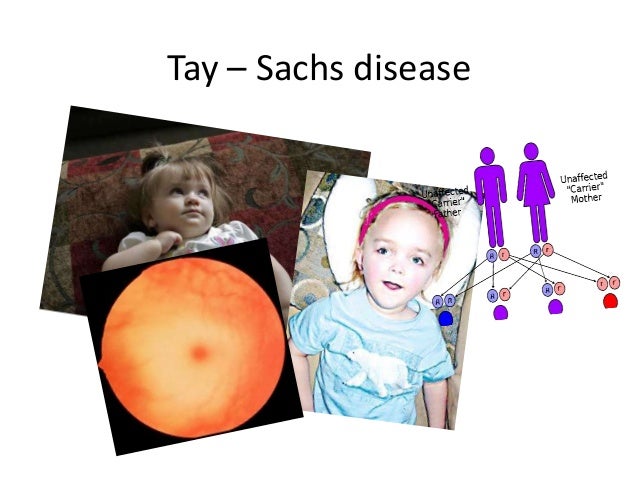
Tay-Sachs is a lysosomal storage disorder caused by the deficiency of vital enzymes called beta-hexosaminidase A (Hex-A). The role of Hex-A is to degrade a fatty substance or lipid called GM-2 ganglioside. In the absence of the Hex-A enzymes, GM-2 accumulates abnormally in cells, especially in the nerve cells or neurons, of the brain.
Image result for Tay-Sachs Disease"
In children, the destructive process begins in the fetus early in pregnancy. However, a baby with Tay-Sachs disease appears normal till six months of age when its develops slowly. By about two years of age, most children experience recurrent seizures and diminishing mental functioning. The infant gradually regresses, and is eventually unable to crawl, turn over, sit or reach out. There is no specific treatment for Tay-Sachs disease.
 Request to Get Free Sample Pages at:


The drug candidates in Tay-Sachs therapeutics pipeline include, but not limited to, CCP-010. Some of the major companies having drugs in the Tay-Sachs therapeutics pipeline includes Lysogene, and Castle Creek Pharmaceuticals.

The report provides a comprehensive understanding of the pipeline activities covering all drug candidates under various stages of development, with the detailed analysis of pipeline and clinical trials.
Pipeline analysis of drugs by phases includes product description and development activities including information about clinical results, designations, collaborations, licensing, grants, technology, and others.

Share:

Achondroplasia Therapeutics Pipeline Analysis -Drug Profile, Top Industry Intelligence and Therapeutic Development


Achondroplasia therapeutics currently exhibits a considerably strong pipeline with seven active drug candidates.
Achondroplasia is a common disorder of dwarfism with disproportionate stature. It is an autosomal dominant disorder that occurs due to mutation in fibroblast growth factor receptor 3 (FGFR3) gene, which is located on short arm of chromosome 4. The disorder is characterized by macrocephaly, shortened-limbs (rhizomelic dwarfism), midface retrusion, and frontal bossing. The achondroplasia therapeutics pipeline study covers seven active drug candidates in different stages of development.
Access Detailed Report Summary:

Achondroplasia therapeutics pipeline has majority of candidates in the Pre-Clinical stage of development. A peptide-based drug candidate namely, vosoritide, is in the Phase III stage of development by BioMarin Pharmaceutical Inc., for the treatment of achondroplasia.

The drug candidates developed by several companies for the treatment of achondroplasia have shown positive clinical results in the various phases of drug development. For instance, BioMarin Pharmaceutical Inc.’s drug candidate vosoritide, which is under the Phase III stage of development, has been well-tolerated at all doses in the Phase II stage’s study. The majority of adverse events (AEs) were mild and no serious AEs were reported during the study. Across all doses, injection site reactions and hypotension were the most common drug-related AEs.

Request to Get the Sample Pages at:  
                                               https://www.pharmaproff.com/request-sample/1153

Technological Advancements is a key factor marking the Growth of Achondroplasia Therapeutics Pipeline

It has been observed that many pharmaceutical companies are adopting advanced technologies for the development of achondroplasia therapeutics. These technologies are helpful in the development of drugs as either combination therapies or single-agent therapies. For instance, RIBOMIC Inc.’s, RiboART system, is the essential element in drug discovery technology, that helps in the discovery of various new drugs for the treatment of the various diseases including achondroplasia.

Some of the key players involved in the development of achondroplasia therapeutics include BioMarin Pharmaceutical Inc., Ascendis Pharma A/S, and Therachon AG.

Achondroplasia Therapeutics Pipeline Analysis

By Phase
By Molecule Type
By Route of Administration
By Company

Share:

Tardive Dyskinesia Therapeutics - Pipeline Analysis , Clinical Trials & Results, Patents, Designations, Collaborations


Tardive dyskinesia (TD) is an involuntary neurological movement disorder caused by the use of dopamine receptor blocking drugs which are prescribed to treat certain psychiatric or gastrointestinal conditions. Long-term use of these drugs may produce biochemical abnormalities in the area of the brain known as the striatum.

Access Detailed Report Summary:

The reasons that some people who take these drugs may get TD, and some people do not, is unknown. Tardive dystonia is a more severe form of TD in which slower twisting movements of the neck and trunk muscles are prominent.

Request to Get the Sample Pages at: 
                                                               https://www.pharmaproff.com/request-sample/1106

The typical symptoms of TD include facial grimacing, sticking out the tongue, and sucking or fish-like movements of the mouth. INGREZZA (valbenazine), developed by Neurocrine Biosciences Inc., is one of the key drugs developed for the treatment of TD.

The drug candidates in TD pipeline include, but not limited to, SOM3355 and MT-5199. Some of the companies having drugs in the TD pipeline includes SOM INNOVATION BIOTECH, SL, and Mitsubishi Tanabe Pharma Corporation.

The report provides a comprehensive understanding of the pipeline activities covering all drug candidates under various stages of development, with the detailed analysis of pipeline and clinical trials.

Pipeline analysis of drugs by phases includes product description and development activities including information about clinical results, designations, collaborations, licensing, grants, technology, and others.

Share:

Major Depressive Disorder Therapeutics - Pipeline Analysis , Clinical Trials & Results, Patents


Major depressive disorder, also known as the clinical depression, is characterized by a constant sense of despair and hopelessness. It usually affects daily activities such as study, sleep, and eating.

Access Detailed Report Summary:

Image result for depressive"
Common symptoms observed in major depressive disorder are fatigue, indecisiveness, impaired concentration, feelings of worthlessness or guilt, insomnia or hypersomnia, restlessness, significant weight loss or gain and recurring thoughts of death or suicide.

Request to Get the Sample Pages at: 
                                                              https://www.pharmaproff.com/request-sample/1105

According to the National Institute of Mental Health, an estimated 16.1 million adults aged 18 or older in the U.S. had at least one major depressive episode in 2014.

VistaGen Therapeutics Inc. is developing AV-101, a new generation oral antidepressant, for the treatment of major depressive disorder. NeurOp Inc., and ACADIA Pharmaceuticals Inc. are some other key players involved in the development of drugs for the treatment of major depressive disorder. 

The report provides a comprehensive understanding of the pipeline activities covering all drug candidates under various stages of development, with the detailed analysis of pipeline and clinical trials.

Pipeline analysis of drugs by phases includes product description and development activities including information about clinical results, designations, collaborations, licensing, grants, technology, and others.

Share:

Profile

Popular Posts

APSense

Labels

Linkedin Profile

APSense

Business Network

Recent Posts

Research Pages